What’s the Difference Between PCBA and PCB?
What is PCB?
PCB (Printed Circuit Board), also known as a printed wiring board, is a crucial electronic component. It serves as the foundation for mounting electronic components and as the carrier for their electrical interconnection. Since it is produced using electronic printing technology, it is called a “printed” circuit board.
What is PCBA?
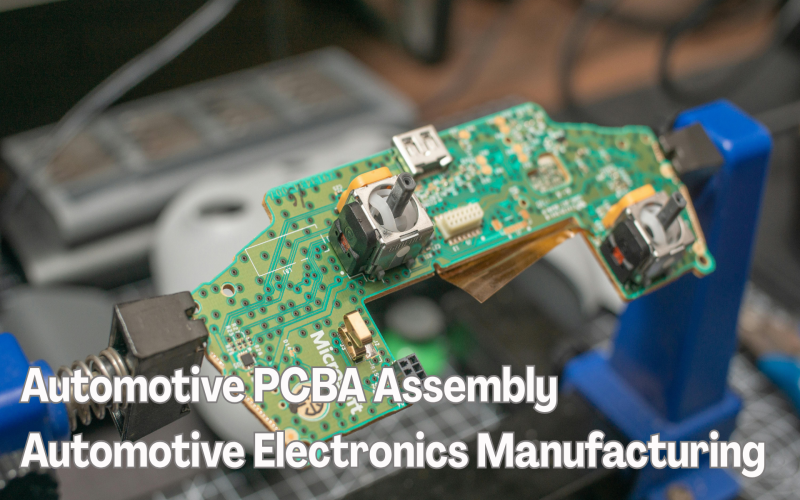
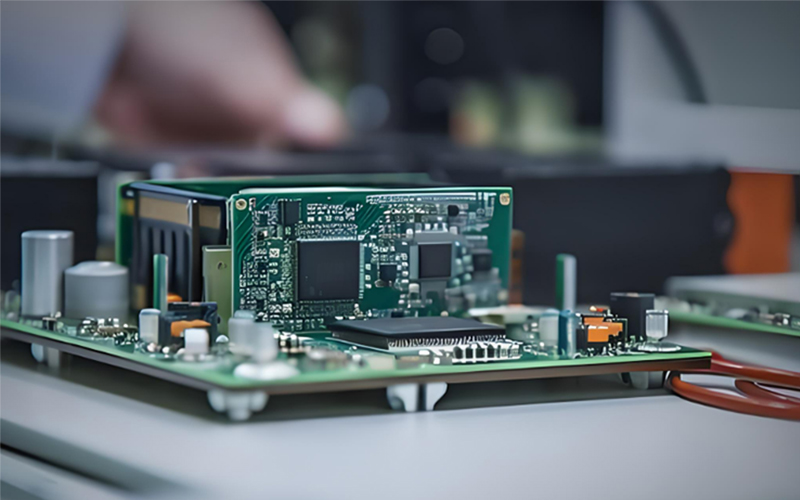
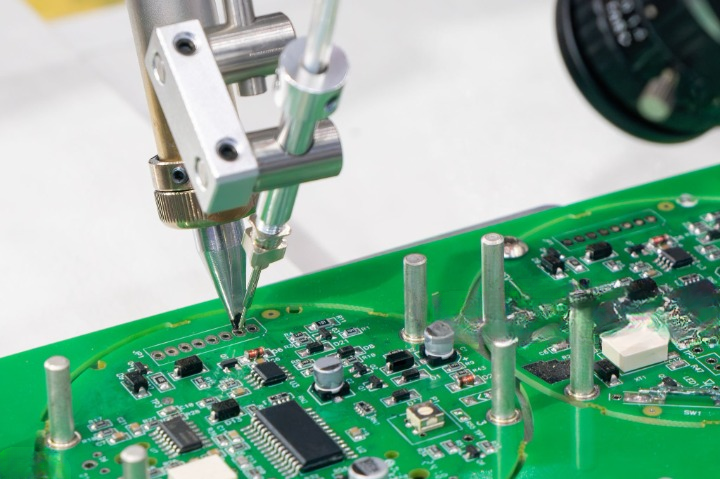
PCBA stands for Printed Circuit Board Assembly. It refers to the process in which a bare PCB is assembled with components through SMT (Surface Mount Technology) or DIP (Dual Inline Package) insertion, resulting in a fully assembled board — essentially, a PCB with components mounted.
Importance in the Electronics Industry
PCBs are one of the most important parts of the electronics industry. Almost every electronic device — from small products like watches and calculators to large systems like computers, communication equipment, and military weapon systems — requires printed circuit boards to achieve electrical connections between components.
A printed circuit board consists of an insulating substrate, conductive traces, and pads for soldering electronic components. It plays a dual role of providing conductive pathways and insulation. By replacing complex wiring, PCBs simplify the assembly and soldering process, reduce manual wiring workload, minimize device size, lower production costs, and improve product quality and reliability.
PCBs also ensure excellent product consistency, can be designed according to standardized specifications, and are well-suited for mechanized and automated production. Moreover, a fully assembled and tested PCB can be used as a standalone spare part, enabling easy replacement and maintenance in finished products. Today, PCBs are widely used in the manufacturing of electronic products.
Differences Between PCB and PCBA
Function
A PCB enables the integration of electronic components into an operational unit.
A PCBA, with its optimized circuit design, can deliver excellent electrical performance and heat dissipation.
Nature
PCBA refers to the entire assembly process or the finished circuit board — a PCB after components have been mounted and processed.
PCB refers to the bare printed circuit board without any components.